S-Trap vs P-Trap - Which Drain Trap Is Right for Your Home?

S-Trap vs P-Trap: Understanding the Difference
If you're renovating a bathroom, replacing a sink, or dealing with sewer odors in your Thomasville, NC home, understanding the difference between S-traps and P-traps is essential. These curved pipe sections play a critical role in your plumbing system, and choosing the wrong type can lead to code violations, unpleasant odors, and drainage problems.
At TML Plumbing LLC, we help Thomasville homeowners navigate plumbing codes and ensure their drain systems function properly and safely.
What Is a Plumbing Trap?
A plumbing trap is a curved section of pipe beneath sinks, toilets, and other fixtures that holds a small amount of water. This water barrier serves a crucial purpose: it prevents sewer gases from entering your home while allowing wastewater to flow freely into the drain system.
Without a properly functioning trap, your home would be filled with unpleasant and potentially hazardous sewer odors.
What Is a P-Trap?
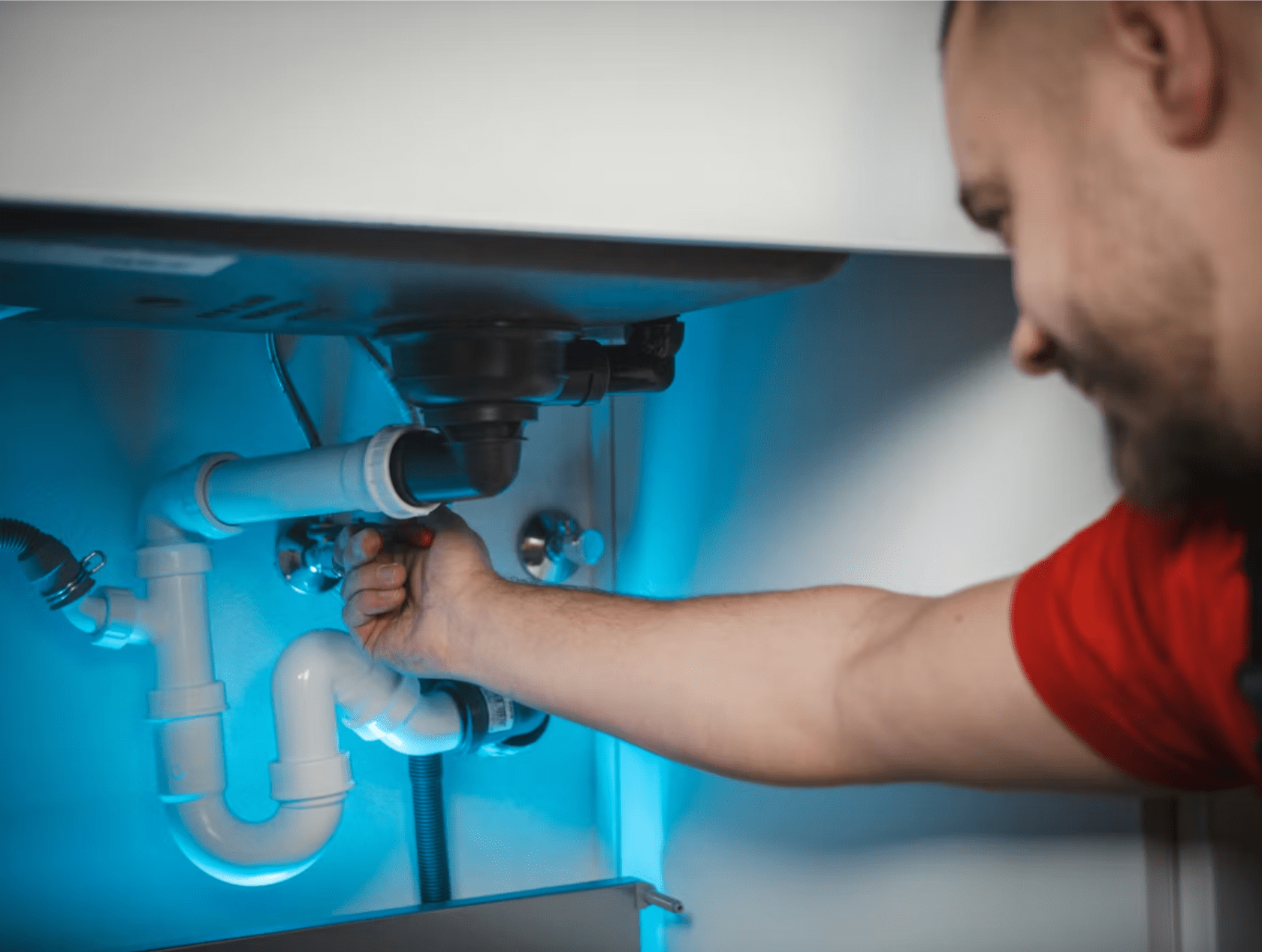
A P-trap is shaped like the letter "P" lying on its side. It connects vertically to the sink drain, curves down and around, then extends horizontally into the wall drain.
P-Trap Key Features:
- Shape: Horizontal outlet that connects to a wall drain
- Water seal: Maintains consistent water barrier
- Ventilation: Designed to work with proper venting systems
- Code compliance: Meets modern plumbing codes throughout the United States
- Common locations: Kitchen sinks, bathroom sinks, laundry sinks
The P-trap is the standard in modern plumbing because it works effectively with vented drain systems, preventing siphoning and maintaining the water seal that blocks sewer gases.
What Is an S-Trap?
An S-trap is shaped like the letter "S" and connects vertically to both the sink drain above and the floor drain below.
S-Trap Key Features:
- Shape: Vertical inlet and outlet (connects to floor drain)
- Water seal: Prone to siphoning and losing water seal
- Ventilation: Lacks proper venting, creating negative pressure
- Code compliance: Banned by modern plumbing codes in most areas
- Common locations: Older homes, typically pre-1970s construction
While S-traps were common in older homes, they have a significant design flaw that led to their prohibition in modern building codes.
Key Differences Between S-Traps and P-Traps
1. Drain Connection Location
P-Trap: Exits horizontally into a wall drain
S-Trap: Exits vertically into a floor drain
2. Siphoning Problems
P-Trap: Designed with proper venting to prevent siphoning. The water seal remains intact.
S-Trap: Susceptible to self-siphoning. When water drains quickly, it can pull the water seal out of the trap, leaving an open path for sewer gases.
3. Venting Requirements
P-Trap: Works with a properly vented drain system. The vent allows air to enter the drain line, preventing vacuum formation.
S-Trap: Lacks proper venting capability. The vertical configuration creates negative pressure that can suck water out of the trap.
4. Building Code Compliance
P-Trap: Approved by the International Plumbing Code (IPC) and Uniform Plumbing Code (UPC). Required for new construction and remodels.
S-Trap: Prohibited by modern plumbing codes in most jurisdictions, including North Carolina.
5. Odor Control
P-Trap: Maintains consistent water seal, effectively blocking sewer gases and odors.
S-Trap: Water seal can evaporate or be siphoned away, allowing sewer odors to enter your home.
Why S-Traps Are No Longer Allowed
S-traps were banned from plumbing codes due to a phenomenon called self-siphoning. Here's how it happens:
- Water drains rapidly from the sink
- The vertical drop creates negative pressure (suction)
- This suction pulls water out of the trap
- Without a water barrier, sewer gases escape into your home
Even when the trap initially fills with water, the siphoning effect can leave it dry within hours or days, especially with heavy use.
Signs You Have an S-Trap Problem
If your Thomasville home was built before the 1970s or has outdated plumbing, watch for these warning signs:
- Persistent sewer odors near sinks or drains
- Gurgling sounds when water drains
- Slow drainage or frequent clogs
- Visible S-shaped trap connecting to a floor drain
- Dry trap with no water visible in the curve
These symptoms indicate your S-trap may be siphoning or failing to maintain its water seal.
Can You Replace an S-Trap with a P-Trap?
Yes, and in most cases, you should. Replacing an S-trap with a P-trap typically requires:
What's Involved:
- Rerouting the drain line from floor to wall
- Installing proper venting to prevent siphoning
- Updating pipes to meet current code requirements
- Professional installation to ensure code compliance
This type of conversion is common during bathroom or kitchen remodels in older Thomasville homes.
When S-Traps Might Still Be Present
You'll most commonly find S-traps in:
- Homes built before 1970 when S-traps were still code-compliant
- Unrenovated bathrooms in older properties
- DIY plumbing repairs done without permits or inspections
- Basement sinks connected to older floor drains
If you're buying or renovating an older home in Thomasville, having a professional plumber inspect the drain traps is wise.
P-Trap Installation Best Practices
When installing or replacing a P-trap, follow these guidelines:
Proper P-Trap Installation:
- Use the correct size (usually 1.5 inches for bathroom sinks, 2 inches for kitchen sinks)
- Maintain proper slope for drainage (1/4 inch per foot)
- Install within code distance from the fixture (typically 24 inches maximum)
- Ensure adequate venting through the drain system
- Use quality materials (PVC, ABS, or chrome-plated brass)
- Check for leaks after installation
Other Types of Traps You Might Encounter
While P-traps and S-traps are most common under sinks, other trap types include:
Bottle Trap
A compact, space-saving trap often used in tight spaces. More common in European plumbing but allowed by some codes.
Drum Trap
An older style found in pre-1940s homes. These cylindrical traps are prone to clogging and are no longer code-compliant.
Running Trap
Used in commercial plumbing. Not typically found in residential applications.
Common P-Trap Problems and Solutions
Even properly installed P-traps can experience issues:
Dry Trap (Infrequently Used Fixtures)
Cause: Water evaporates from traps not used regularly
Solution: Run water periodically or add a small amount of mineral oil to slow evaporation
Leaking Connections
Cause: Loose fittings, worn washers, or damaged threads
Solution: Tighten connections or replace washers and compression rings
Clogs in the Trap
Cause: Hair, soap scum, and debris accumulation
Solution: Remove and clean the trap, or use a drain snake
Improper Installation
Cause: DIY installation without understanding code requirements
Solution: Have a licensed plumber inspect and correct the installation
Thomasville, NC Plumbing Code Considerations
North Carolina follows the North Carolina State Plumbing Code, which is based on the International Plumbing Code. Key requirements include:
- P-traps required for all new installations and major renovations
- Proper venting for all drain fixtures
- Permits required for most plumbing work
- Licensed plumber recommended for code-compliant installations
Thomasville homeowners planning bathroom or kitchen renovations should always check permit requirements and ensure work meets current code standards.
Why Professional Installation Matters
While some handy homeowners can install a P-trap, professional plumbing ensures:
- Code compliance for inspections and resale value
- Proper venting to prevent siphoning and odors
- Quality materials that last for years
- Warranty protection on parts and labor
- Correct sizing for your specific fixtures
- Leak-free connections from the start
Improper trap installation can lead to costly water damage, code violations, and failed home inspections.
Converting S-Traps in Older Thomasville Homes
Many beautiful historic homes in Thomasville still have original plumbing with S-traps. If you're restoring or updating an older property, addressing outdated traps should be a priority.
Benefits of Upgrading:
- Eliminate persistent sewer odors
- Improve home resale value
- Meet modern safety standards
- Prevent drainage problems
- Pass home inspections
TML Plumbing LLC has extensive experience updating plumbing in older Thomasville homes while preserving their historic character.
FAQs About Drain Traps
Q: Can I use an S-trap if my drain comes up from the floor?
A: No. Modern codes require proper venting, which S-traps cannot provide. Your plumber can reroute the drain to accommodate a P-trap with proper venting.
Q: How often should I clean my P-trap?
A: Clean it annually or whenever you notice slow drainage or odors. Many homeowners clean traps during routine deep cleaning.
Q: Will replacing an S-trap with a P-trap stop sewer smells?
A: Yes, if siphoning was the cause. A properly installed P-trap with adequate venting maintains a consistent water seal.
Q: Do I need a permit to replace a trap?
A: Requirements vary. In Thomasville, most plumbing work requires permits. Check with local authorities or hire a licensed plumber who handles permits.
Why Thomasville Homeowners Trust TML Plumbing LLC
- Licensed and experienced in North Carolina plumbing codes
- Expertise with older homes and historic properties
- Quality workmanship with attention to detail
- Upfront pricing with no hidden fees
- Proper permitting and inspections
- Residential and light commercial plumbing services
We understand the unique plumbing challenges of Thomasville homes, from historic properties to modern construction.
Serving Thomasville and Surrounding Areas
TML Plumbing LLC proudly provides expert plumbing services throughout Thomasville, NC and surrounding Davidson County communities, specializing in drain system repairs, trap replacements, and code-compliant installations.
Need Help with Drain Traps or Sewer Odors?
Don't let outdated S-traps compromise your home's air quality and plumbing performance.
Contact TML Plumbing LLC today for professional drain trap inspection, replacement, and installation services in Thomasville, NC.
We'll ensure your plumbing meets code and works flawlessly.